Sustainable Trail Bridge Design
Designing trail bridges based on trail-specific Trail Management Objectives (TMOs) is essential for providing the desired trail experience, for ensuring user safety, and for maximizing bridge longevity.
Understand and apply principles of trail sustainability to all components of a trail construction project
Plan and manage the trail construction site to meet safety and resource protection goals and requirements
Understand and apply common construction specifications/trail management objectives such as corridor height/width, tread width, cross/outslope, protrusions, obstacles, and compaction
Clear the corridor and prepare the site in preparation for construction using proper pruning techniques
Use pruning and brushing techniques to maximize safety, minimize visual impacts and support healthy trailside vegetation
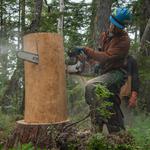
Felling, brushing, bucking and limbing logs of various sizes safely using proper, well-maintained equipment
Materials and debris removal from corridor using low impact techniques, according to project and resource protection requirements
Using hand tools, construct a trail with a full bench, raised tread, and/or combination that meets the construction specifications and minimizes off trail impacts
Safely use and maintain mechanized trail construction equipment (e.g., mini-excavators, skid steers, trail dozers, compactors) to construct trail that meets construction specifications and minimizes off trail impacts
Utilize tools, often mechanical (i.e. excavators, harrow rakes, compact utility loaders, compactors), to meet specifications for final tread surface and backslope preparation and compaction, construction spoils management, and erosion control stabilization
Construct drainage features that decrease erosion and increase sheet flow, including grade reversals, rolling grade dips, berms, ditches, and sheet drains
Develop a water crossing structure (e.g., boardwalk, puncheon, turnpike, bridge, ford) to span drainageways or wetland areas and raise the trail above the high water line while maintaining uninterrupted hydrology beneath the constructed feature
Construct stone or wood retaining walls to bolster unconsolidated soils, gain elevation, or transition tread from rocks/natural barriers
Install the appropriate treadway hardening technique for a trail given the slopes, soils, available material (e.g., wood, rock, gravel) and designed use, including advanced hardening techniques including but not limited to aggregate addition, various types of rock armoring, turnpiking, rock culverts, boulder causeway, rock drains and chemical additives
Demonstrated ability to plan and implement the closure, reclamation, and revegetation of a trail segment
Documents and
Media
• Video Trainings
• Training Programs
• Calendar
Find Trainers •
Find Workers
Learn More
Designing trail bridges based on trail-specific Trail Management Objectives (TMOs) is essential for providing the desired trail experience, for ensuring user safety, and for maximizing bridge longevity.

To help our volunteers succeed in their trail work, PCTA collaborated with many partners to develop a Trail Skills College curriculum.

Discover the lasting satisfaction of working with stone. Master stonemason Charles McRaven covers everything you need to know about working with different types of stone to create a variety of durable and elegant features. Clear enough for the…

The Standard Trail Plans and Specifications reflect current Forest Service trail management efforts and the agency’s Trails Data Dictionary for constructed features and tasks.

Stone Primer is both a practical handbook and an inspirational guide for the budding stonemason.

A handbook on trail work, from landscape values to the nitty-gritty of moving rock.
Trail Skills Training Library

Whether you’re an aspiring trail technician or an organization looking to develop your team, this webinar will show you how to find the right training to suit your needs—and start blazing trails like a pro.

This session explores the artistry and endurance of stone structures, from retaining walls to steps and crossings.

This webinar goes beyond materials and layering to explore how design, construction, and real-time field decisions shape long-term durability.

This session explores the full lifecycle of trail crossings— from planning and design through on-the-ground construction.

International Mountain Bicycling Association (IMBA) experts will guide you through an overview of the seven critical steps of the Trail Development Process, from initial access and community engagement to long-term stewardship.

Help attendees evaluate site conditions and user needs to select the most appropriate material—reinforcing your team’s technical expertise and the value of well-engineered materials. Trail uses include both pedestrian and vehicular pathways in rural…
Further Education

This five-part series of online micro-learning courses is intended to provide those new to the trails workforce with a baseline understanding of terminology and concepts that give them a solid foundation to support future trails education and…

American Trails brings agencies, trail builders, planners, architects, advocates, and volunteers the latest in state-of-the-art information on all aspects of trails and greenways. Our webinars focus on a variety of trail topics, usually applicable…

Chinook Associates offers stewardship skills workshops covering recreational trail planning, design, construction, maintenance, and visitor management. Courses are available either in-person, with fully customizable content combining classroom…

The Trail Technician multiple-choice exam evaluates foundational knowledge in trail development, aligned with the progression from entry-level to full Trail Competency standards.

The Professional TrailBuilders Association (PTBA) has launched the development of the Trail Fundamentals Video Series—a free, entry-level educational resource designed to support sustainable trail development and trail trainings worldwide.

Trail Care Schools equip volunteers and organizations with the skills necessary to maintain modern mountain bike trails in partnership with the local land management. This course will begin with sustainable trail design principles, such as drainage…
Skill Library
Training Calendar
Custom Trainings






Eureka, CA
AmeriCorps Grant Coordinator
California Conservation Corps Backcountry Trails Program

Hire Workers
Laramie, WY
Cedar City, UT
Assistant Director of Partnerships
Southern Utah University - Outdoor Pathways




Suggest a Resource
Know of a good resource for this skill? Let us know! From webinars, to workshops, to PDFs, we'd like to add them to our resource library.
Let us know